Time for action – Food is Medicine programs can improve health and reduce food insecurity
By Sarah Stern, Executive Director, Maple Leaf Centre for Food Security
January 14, 2026
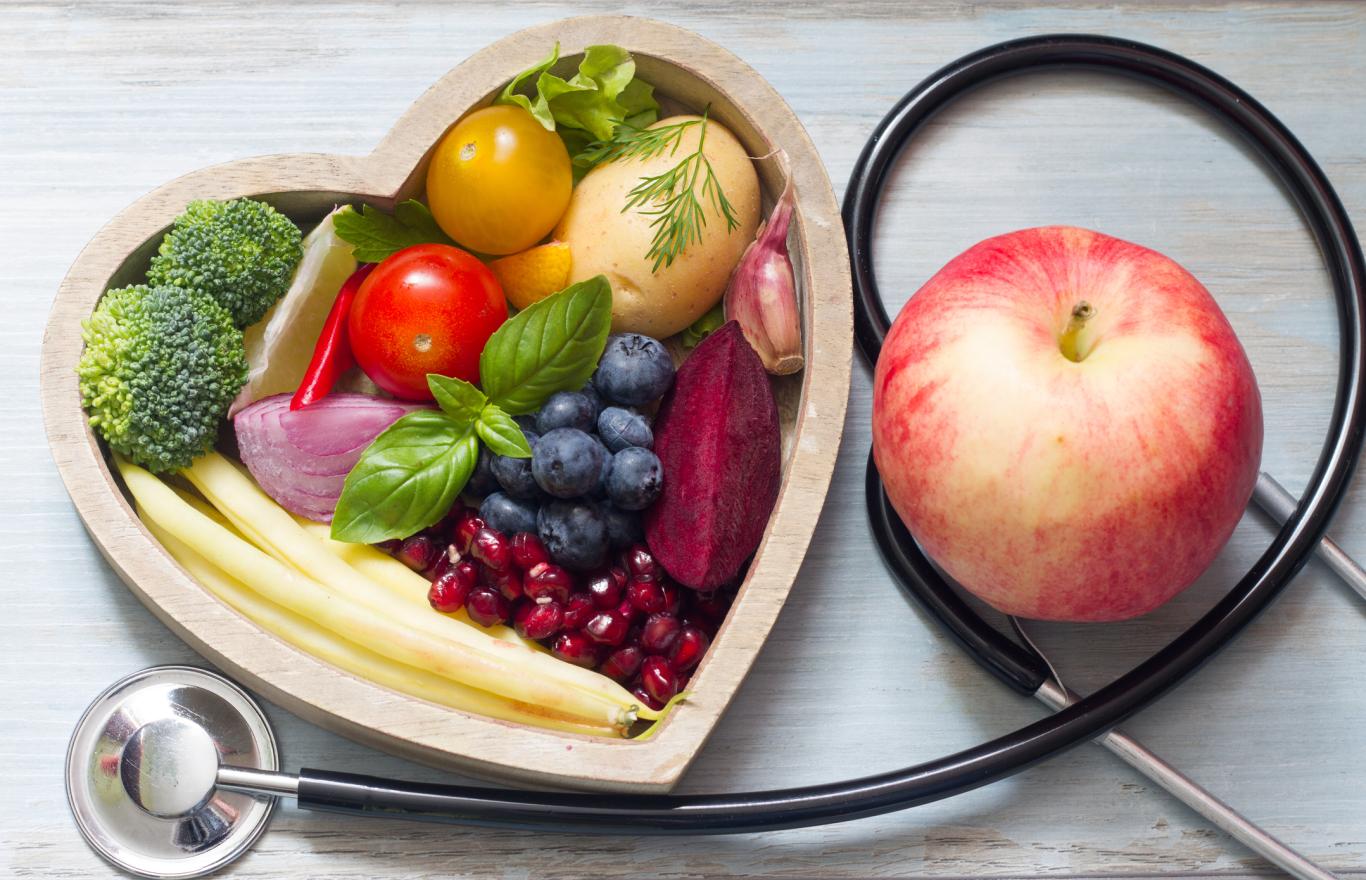
The old saying “an apple a day, keeps the doctor away” exists for a reason; what we eat has a significant impact on our health. The idea is not new – Indigenous communities worldwide have recognized food as medicine since time immemorial. The concept has now emerged within the healthcare system, where healthcare professionals have begun to prescribe healthy food, paid for by the system, as part of patient care plans. There is a growing body of evidence that prescribing and providing access to food can be cost-effective treatment for chronic health issues.
This is the foundation of the idea that food is medicine (FIM) and there is momentum building around the world for this way of thinking – and Canada has an opportunity to be a leader. The Maple Leaf Centre for Food Security is urging governments at all levels to step up action on FIM to improve health outcomes.
The promise of FIM
We know that diet-related conditions like type 2 diabetes, hypertension, and cardiovascular disease account for a significant portion of healthcare costs. We also know that one in four adults are experiencing food insecurity in Canada, with negative impacts on health outcomes.
There is growing recognition that health and food insecurity are deeply intertwined and that addressing them together creates better outcomes than tackling either in isolation.
FIM includes a variety of interventions that healthcare providers prescribe to patients to prevent, manage and treat diet-related diseases, and these are most often paid for by the healthcare system. These prescriptions enable and empower healthcare providers to meet the needs of their patients by providing a prescription for produce, medically-tailored groceries or medically-tailored meals. FIM programs in the United States have shown remarkable results: improved health markers, reduced emergency room visits, and better medication adherence.
We’ve been most interested in produce prescriptions (PRx) and have begun to explore medically tailored groceries, as these programs have broad reach and high impact for people who are food insecure. A recent publication from the Tufts University Food is Medicine Institute estimated that scaling PRx across the US to 6.4 million eligible patients with type 2 diabetes and unmet social needs would lead to $2.68B in net savings, avert 121,000 cardiovascular diseases (CVD) events and lead to 122,000 quality-adjusted life years!
How the Centre got involved with FIM
At the Maple Leaf Centre for Food Security, we are interested in the intersection between food insecurity and FIM.
One of the primary issues we found in addressing food insecurity is the ability to reach people who are experiencing it. Most food insecure people never visit a food bank, but they do have higher rates of diet-related chronic disease compared to people who are food secure, and therefore are more frequent users of the healthcare system. This led to the idea that the healthcare system, with its incredible size and scale, could be a way of connecting with people.
We were introduced to the concept of food prescribing by Right To Food and supported their Market Greens initiative from 2020 to 2024. Perhaps unsurprisingly, the program evaluation demonstrated that when people receive money for food, food insecurity levels are reduced. Additionally, participants experienced improved mental and physical health.
At the same time, we also partnered with Nourish, supporting their cohort model to transform food in health care.
In late 2022 we began tracking the explosion of FIM interventions and funding in the US. We also brought more focus on FIM within our Symposium and held focused convenings on it with Dr. David Nabarro and Canada 2020.
And recently, I had the opportunity to spend time with global leaders – researchers, implementers and funders – to discuss what is needed to scale the concept of “Food Is Medicine” across geographies. The momentum is building globally.
Where we are now & what’s next
In addition to the body of global evidence, there have been a variety of food prescription programs across Canada that have shown good results – improved health outcomes and reduced food insecurity. We believe the time has arrived to scale up these types of programs to reach more people.
We have explored the financial payments technology that has been part of the meteoric rise of FIM programs in the US. We are working closely with Right To Food to determine how this technology could be applied in our unique Canadian context. We are speaking with provincial governments about launching programs and are strategizing with healthcare partners about pathways to implement PRx programs at scale.
We know there is still so much to learn – especially when it comes to building patient-centered programs that incorporate community context. We believe there is enough evidence out there to start building scale programs.
A call to action
Canada is uniquely positioned to be a global leader in FIM programs. Because healthcare in Canada is publicly funded, we all share the cost of diet-related chronic disease – but it means we also have a system that makes it possible to drive change and track results.
We believe 2026 could unlock many doors to food and health Canada. We’re calling on policymakers, particularly at the provincial level, to fund FIM programs with adequate funding and robust evaluation frameworks. We’re encouraging healthcare providers and organizations to advocate for the integration of food prescribing into patient care.
Food insecurity is a health issue driven by lack of money. Diet-related chronic disease is a food issue. The solutions lie at the intersection, and FIM programs offer a tangible pathway forward.
January 14, 2026